NEW
Booking data, wherever you need it:
Get clear visibility into desk and room utilization, uncover inefficiencies, and make confident, data-backed decisions about how to improve office space operations.
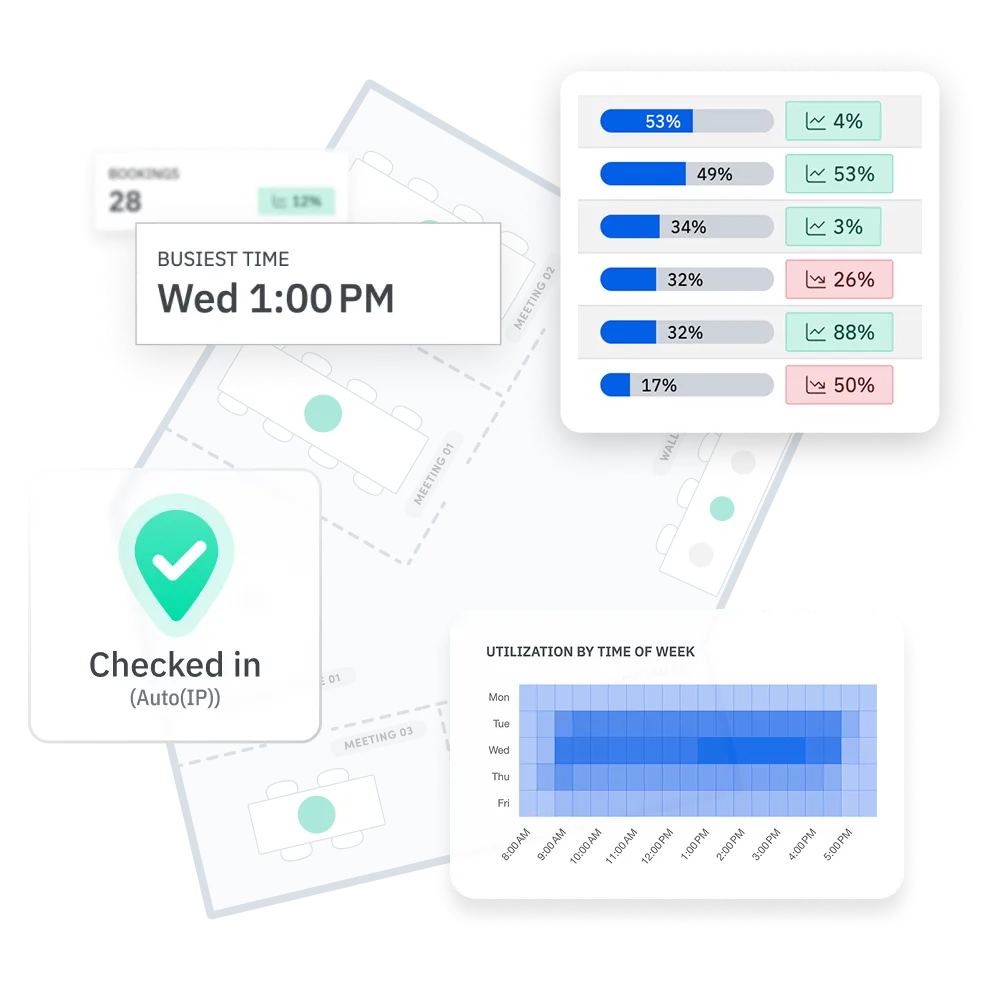















See which rooms and desks get reserved throughout the day, giving you an accurate view of availability and use without relying on assumptions.
Analyze space usage over time by day, team, and space type to understand what’s overused and underused in your office space.
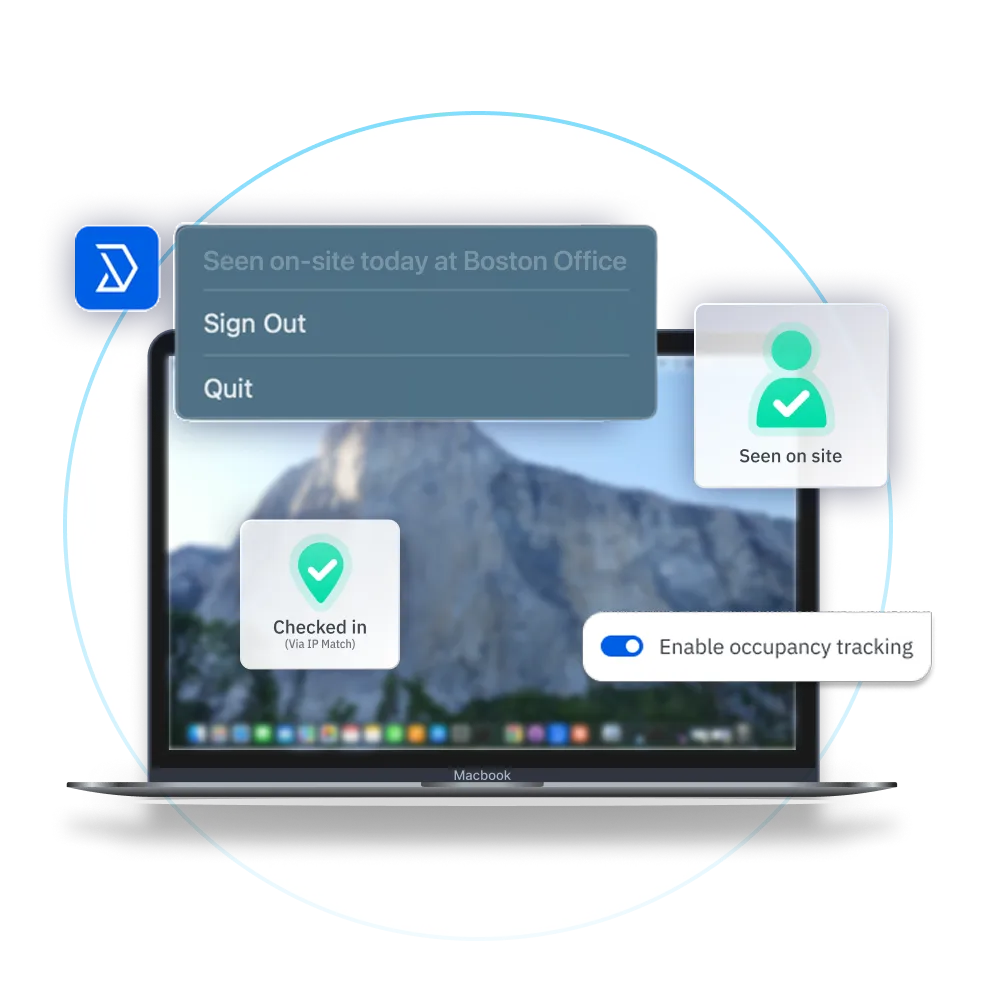
Keep a finger on the pulse of office attendance to forecast demand, plan capacity and make informed decisions about your hybrid policy.




"We were using Skedda for a while and realized through the bookings data that we could condense some of our space. This would not have been possible without Skedda."


Boost engagement with interactive booking experiences and full layout of your location.


Gain actionable insights and analytics for space utilization and employee workspace usage.

Seamless visitor check-in and check-out, with admin notifications.

Streamline when and where people can book spaces with tailored rules and quotas.

Seamlessly connect with all your project, employee experience, and collaboration tools.

Foster productivity with interconnected spaces designed for work and social interaction.

Top-rated 24/7 support renowned for speed, friendliness, and expertise.

Simplify access with SAML SSO through Google, Microsoft, and more.
Office space utilization measures how often and how effectively desks, rooms, and other areas are actually used. It goes beyond assigned capacity to show real usage patterns, helping organizations understand whether space aligns with how employees work.
Occupancy shows who is physically present in the office, while utilization shows how spaces are used over time. A space can be occupied but poorly utilized, or lightly occupied but highly efficient. Utilization connects attendance to space demand and behavior.
Without utilization data, workplace decisions are often based on assumptions. Accurate utilization insights help organizations reduce wasted space, plan capacity more effectively, and design offices that better support collaboration, focus, and employee experience.
Skedda combines booking data, check-ins, and Wi-Fi-based occupancy signals to provide a realistic picture of how desks and rooms are used. This ensures utilization insights reflect real behavior, not just reservations.
Ghost bookings occur when spaces are reserved but never used. They inflate perceived demand and distort utilization metrics. Skedda automatically releases unused bookings, keeping utilization data accurate and actionable.
Yes. Utilization data helps identify underused areas, overcrowded zones, and mismatches between space supply and demand. These insights support decisions around resizing, reconfiguring layouts, or reallocating space before making costly real estate changes.
Teams use utilization insights to adjust seating ratios, redesign floor plans, prioritize collaboration areas, plan office schedules, and evaluate whether current space supports business and cultural goals.
By tracking trends over time, utilization data helps organizations forecast future needs, respond to changing work patterns, and continuously improve how space is used—rather than reacting based on short-term observations.

.svg)